
Karbi Traditional Jewellery
Karbi Traditional Jewellery
Jewelry is considered 'human universal' because every culture has it and it is also "cultural' as every cultural group shapes in it the 'iconic form and symbolic use' prevalent in each society. It is considered the 'most human of artifacts' as it is 'closest to the skin' and historians suggest that humans used jewelries well before clothing! Jewelry is undoubtedly 'one of the oldest of the decorative arts' which 'answers to the deep human love of intrinsically beautiful materials, to the deep human wish for bodily beautification, and to the superstitious need for reinforcing human powers by things that seem...more lasting and more mysterious thar man. Stringing shells and seeds to decorate the body has a history going back 100,000 years, and needless to say, jewelry is the 'most ancient and immediate art forms...defined by its connection and interaction with the body.' Jewelry use as part of 'body- decoration' has been therefore a 'ubiquitous phenomenon across time and space, civilizations and cultures as jewelry responds to the most.
A jewelsmith is known to the Karbis ever since as bini' and 'Lo'e Kro Bini' is therefore respected and glorified. The ter 'bini otherwise finds numerous mentions in Karbi folklore which generally 'means a craftsman. In the numerous sacred prayers, divine craftsmen are hailed' às Thipbini-Thengbini' who created the earth, the diverse life-forms, the flora and the fauna, and the humans. The sacred verses of 'Nok Keplang' (origin of sword) praises the legendary 'Tung Jangmu' as the creator of the 'sacrificial sword'. A hemai (blacksmith) made household iron tools for day-to-day use including weapons. In earlier times, every Karbi village had a 'blacksmith's workshop' and the people made 'their own gold and silver ornaments'. A craftsman therefore occupies a position of social, cultural and religious dignity among Karbis Generations of Karbis used jewelries made of seeds, cowry shells, coins, brass, copper, silver and gold. Women adorned themselves with no-jangsai (earrings), lek (necklaces), roi (bangles), arnan (finger rings), and chisir (hair-clips), vam ari (waist band, also used as necklace) etc. as 'body adornment' which expressed social and cultural meanings. Not to be outdone, men too wore necklaces, bangles and earrings of brass, silver and gold by which they displayed their position, power & prosperity.
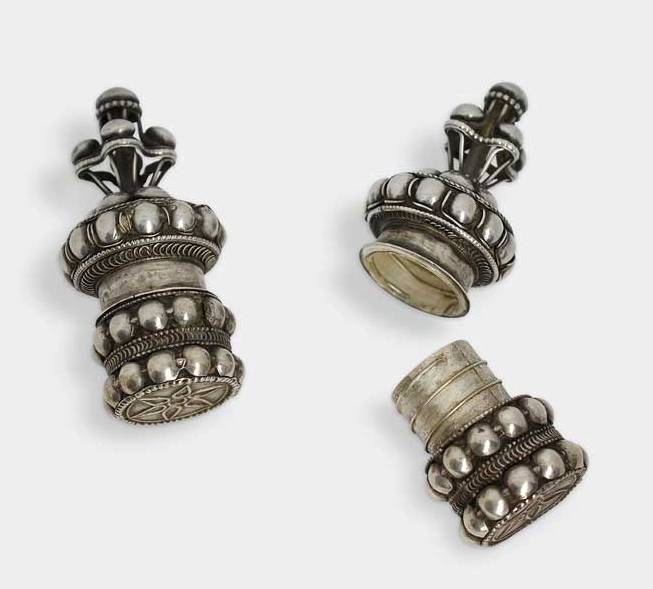
A pair of 'Nothengpi' Silver Earrings
A silver variant of the earring is called Rup-anothengpi with distintive craftsmanship which is still popular among elderly women. Rup-anothengpi has two varieties, one with pointed (kangchim) end and the othere with blunt (katengba) ends.
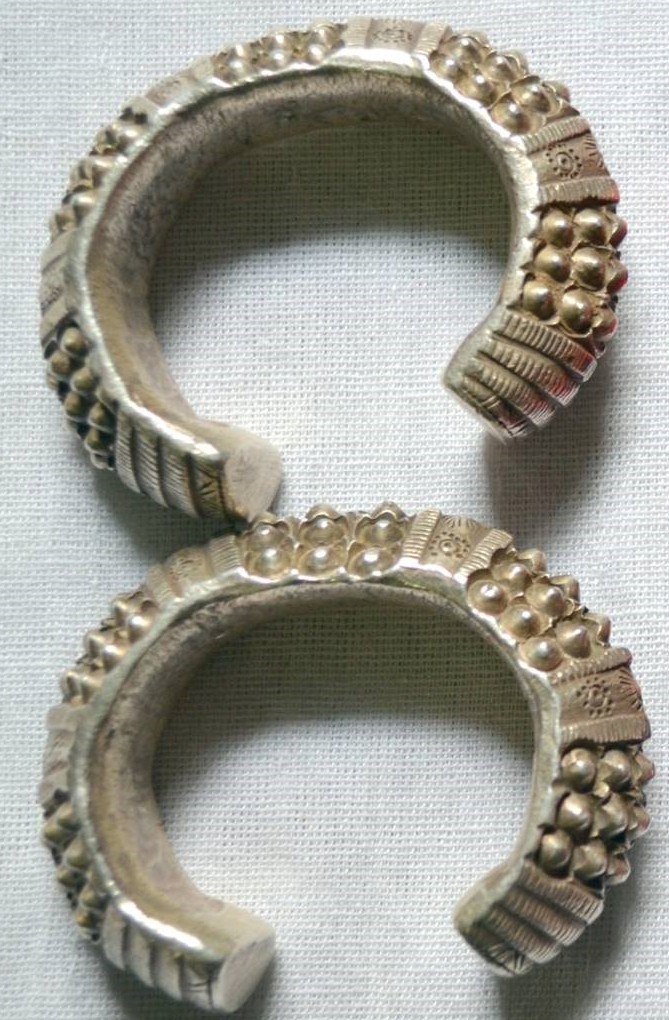
Roi (bangle)
Roi is a bangle made of brass, silver, or gold which are worn by both males and females. It comes from various designs and names, giving the wearer a distinctive style. Roi has a range of designs that include- Roi pengkhara, Ingki amek aroi and Pinso.
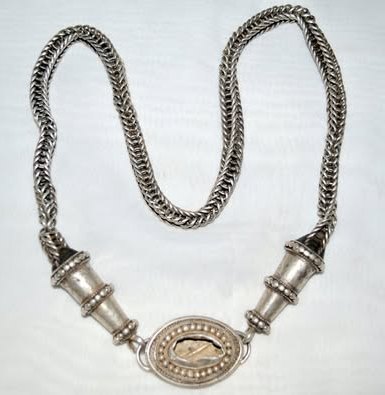
Pindeng
Pindeng
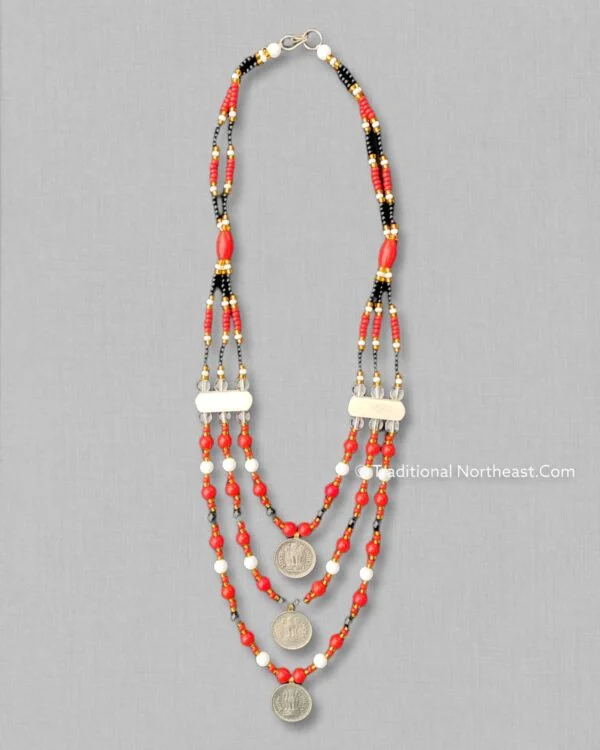
Lek Vaikong
Lek Vaikong
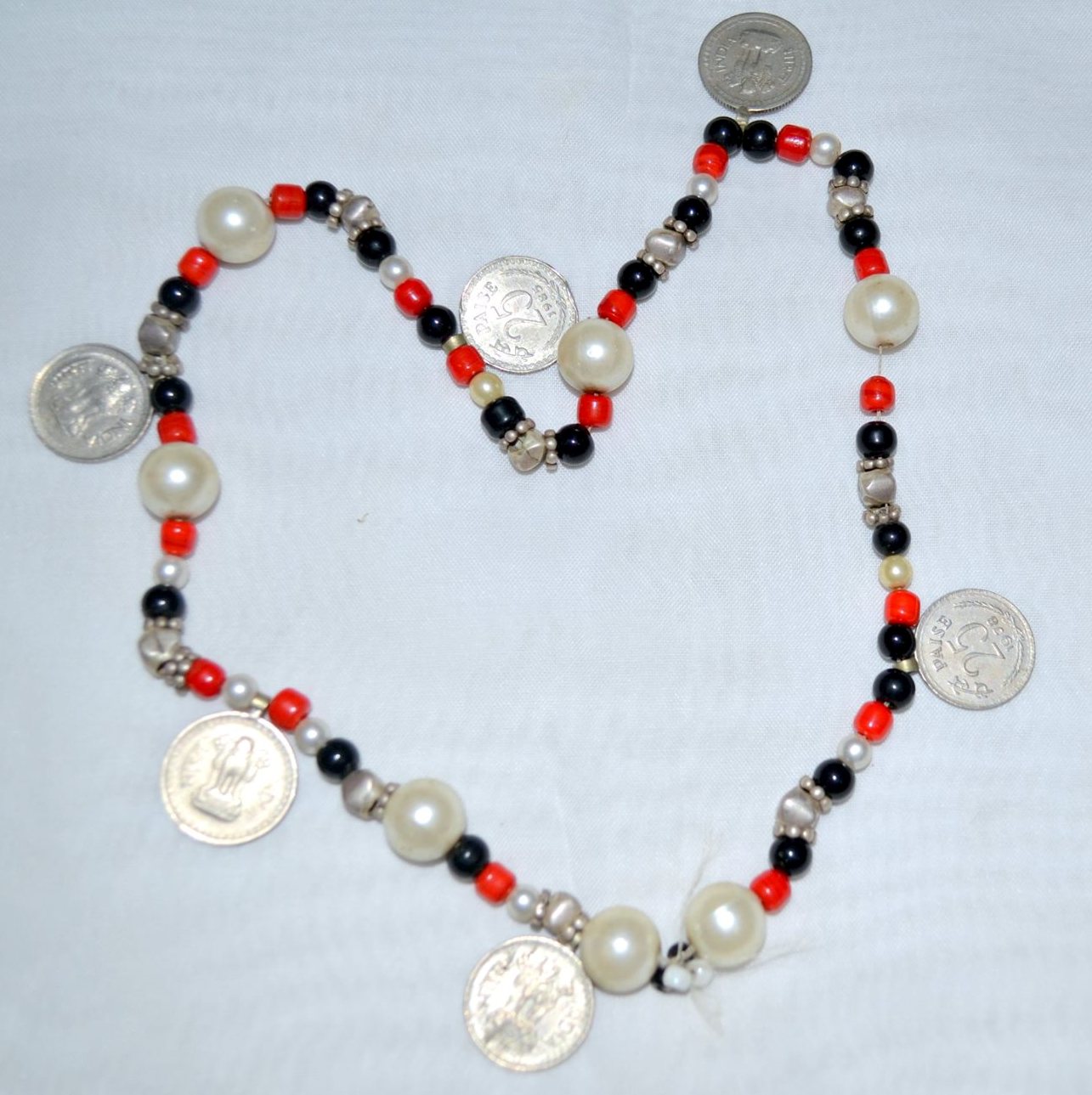
Lek Hiki
Lek Hiki
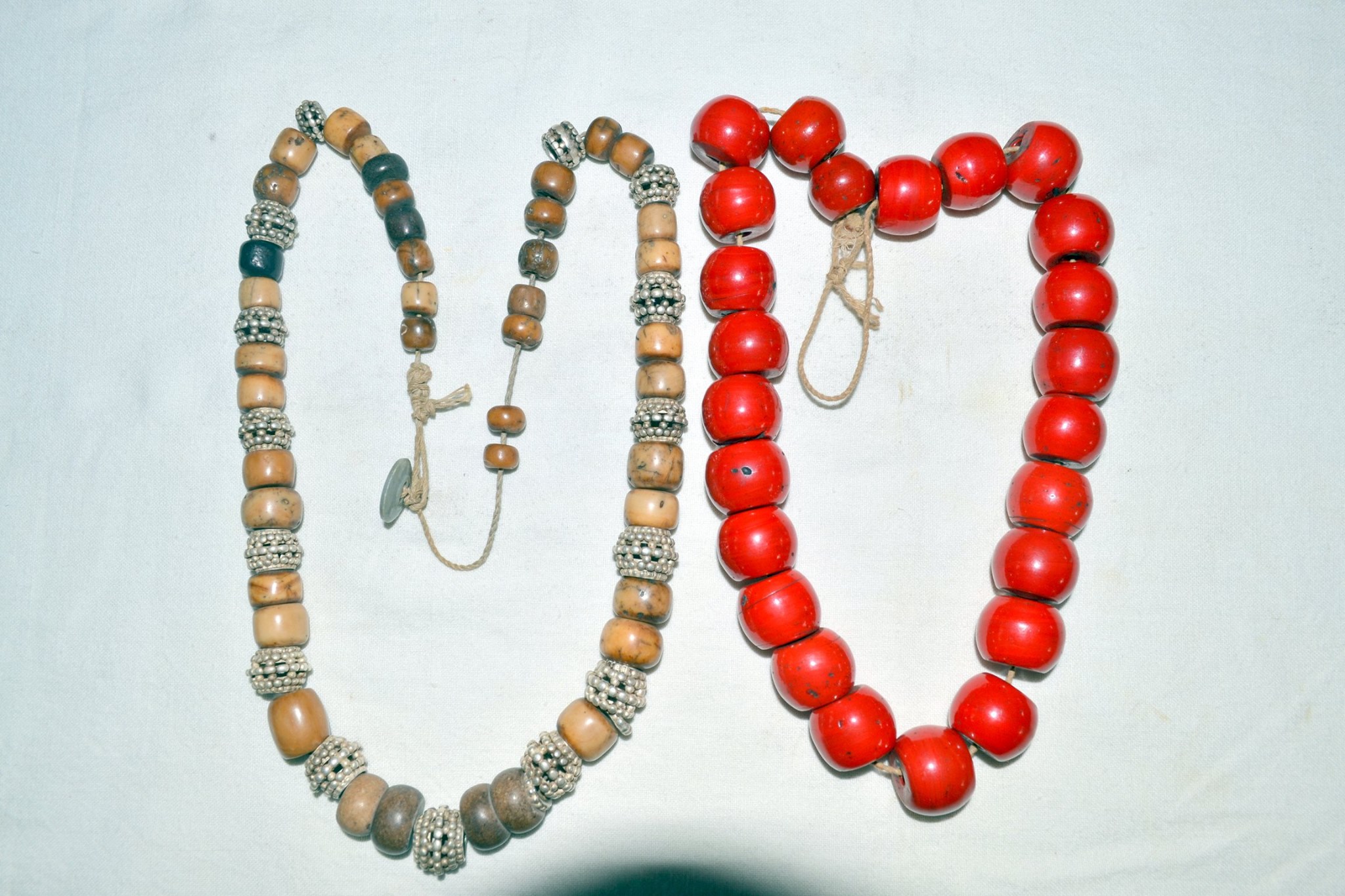
Lek Bonghom
Lek Bonghom
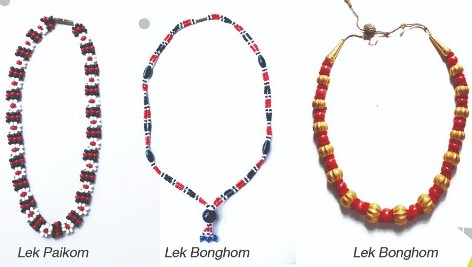
Lek (necklaces)
Traditional necklaces worn by women, each made with different material. These are some of the artistic variants of necklaces.
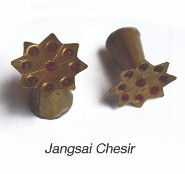
Jangsai Chesir
Jangsai Chesir
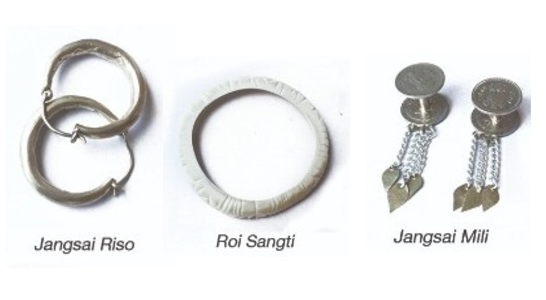
Other forms of jewellery
Worn as bangles and earrings.